
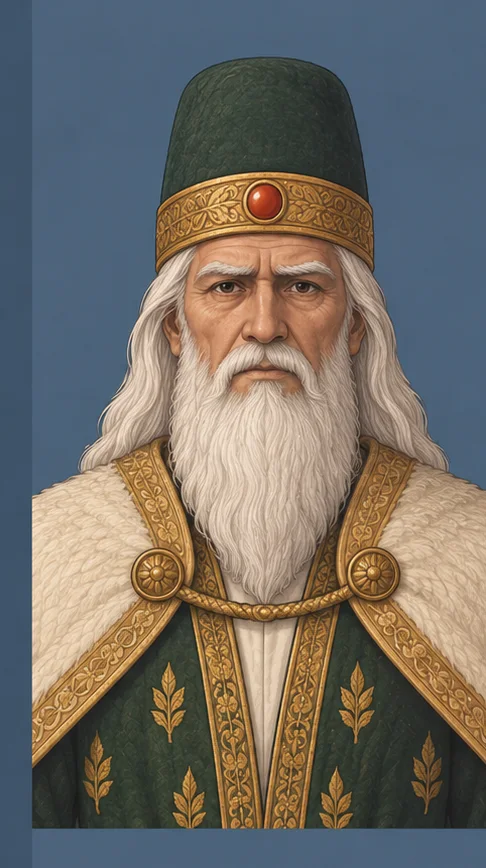
Around the year 1000, a landowner in Tus named Ferdowsi spent some thirty years setting the old stories of Iran into verse: about fifty thousand couplets, from the first king to the fall of the last one. The Shahnameh, the Book of Kings, is the reason those stories, and a great deal of the Persian language with them, are still here a thousand years later.
نزدیک سال هزار میلادی، زمینداری از توس به نام فردوسی سی سال از عمرش را صرف کرد تا داستانهای کهن ایران را به شعر درآورد: نزدیک پنجاه هزار بیت، از نخستین شاه تا افتادن آخرینشان. شاهنامه همان چیزی است که باعث شد این داستانها، و بخش بزرگی از زبان فارسی همراهشان، هزار سال بعد هنوز اینجا باشند.
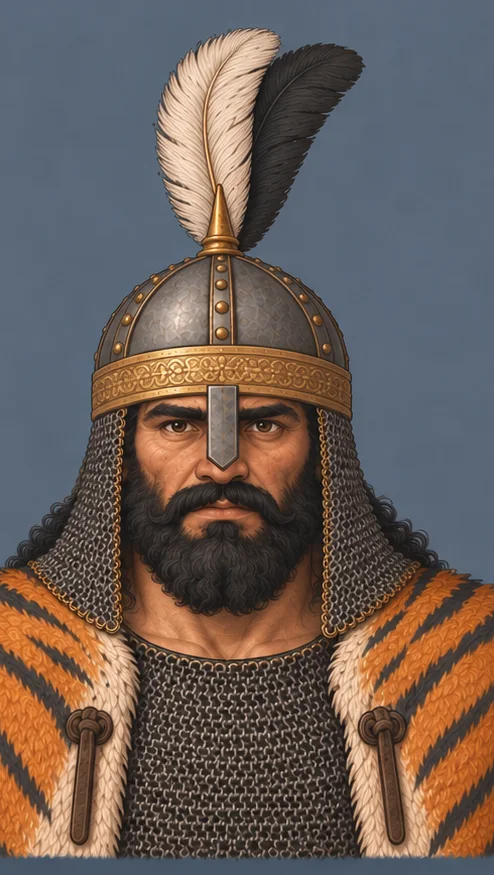
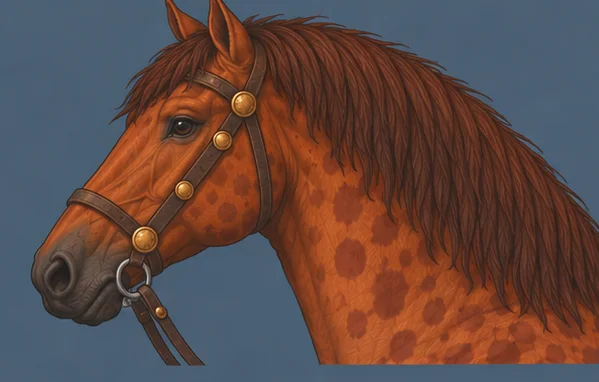
Its greatest figure is Rostam of Zabol, who lives for centuries, wears a coat of tiger skin, and is sent again and again to fix what kings break. He rides Rakhsh, the one horse strong enough to carry him, chosen as a foal because he did not flinch when Rostam pressed a hand on his back. Rostam's Seven Trials, the seven stages of his road into Mazandaran, are the spine of this game.
بزرگترین چهرهاش رستمِ زابل است؛ قرنها زندگی میکند، ببر بیان میپوشد، و پیدرپی فرستاده میشود تا آنچه را شاهان خراب کردهاند درست کند. بر رخش مینشیند، تنها اسبی که تاب وزنش را داشت و در کرّگی برگزیده شد، چون زیر فشار دست او خم نشد. هفت خان رستم، هفت منزلِ راهش به مازندران، ستون فقرات این بازی است.
Painted for Nard: Seven Trials. More of the game here when there is more of it to show.
نقاشیشده برای نرد: هفت خان. باقیِ بازی، وقتی چیزی برای نشان دادن بیشتر شد.